

I. The Vanishing Snow
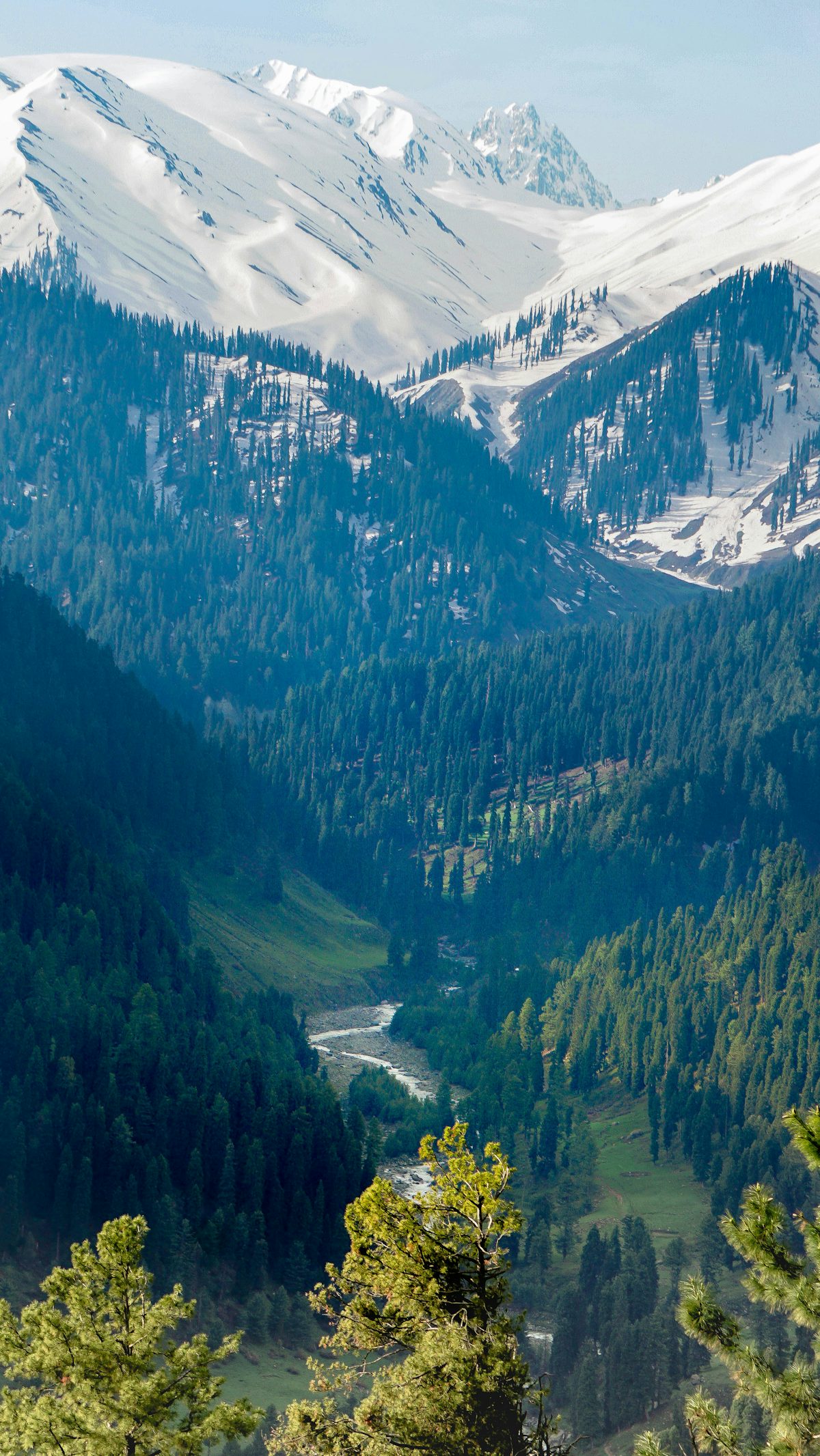
A Landscape Transformed
The Himalayas, typically a fortress of ice and snow by February, present a starkly different reality in 2026. The peaks that feed the Indus water system are largely bare, exposing rock and dry earth where meters of snow should sit. This lack of accumulation during the crucial winter months poses a severe threat to the region's water security.
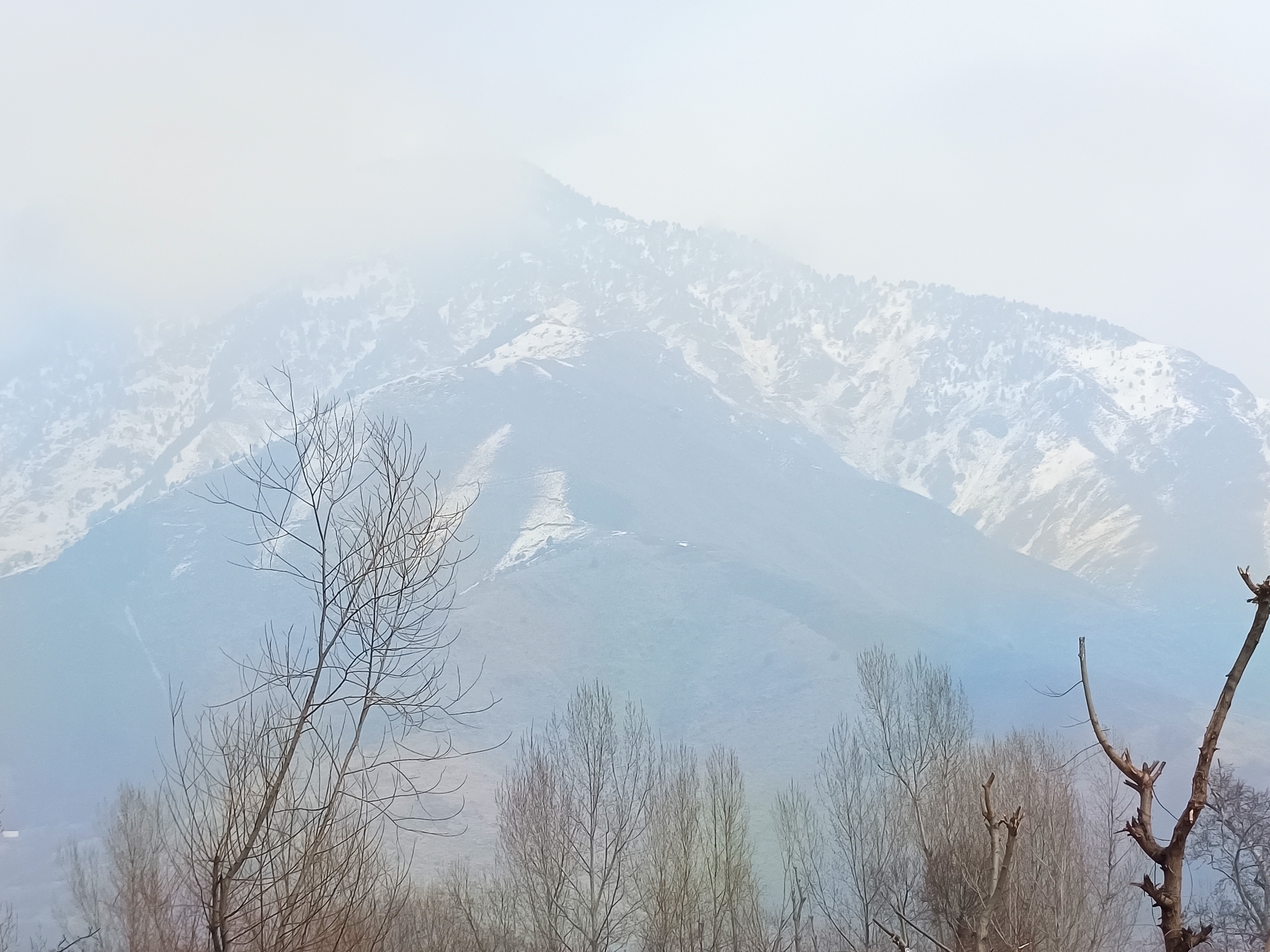
Gulmarg's Bare Runs
Gulmarg, usually buried under powder, has seen slopes comprised of brown earth and dry grass. The absence of snow during *Chilai Kalan*—the harsh 40-day winter period—has left the tourism industry reeling, but the ecological cost is far higher. The glaciers, exposed to direct sunlight and unseasonably high temperatures, are melting rather than replenishing.
II. Nature's Confused Clock: Early Blooms
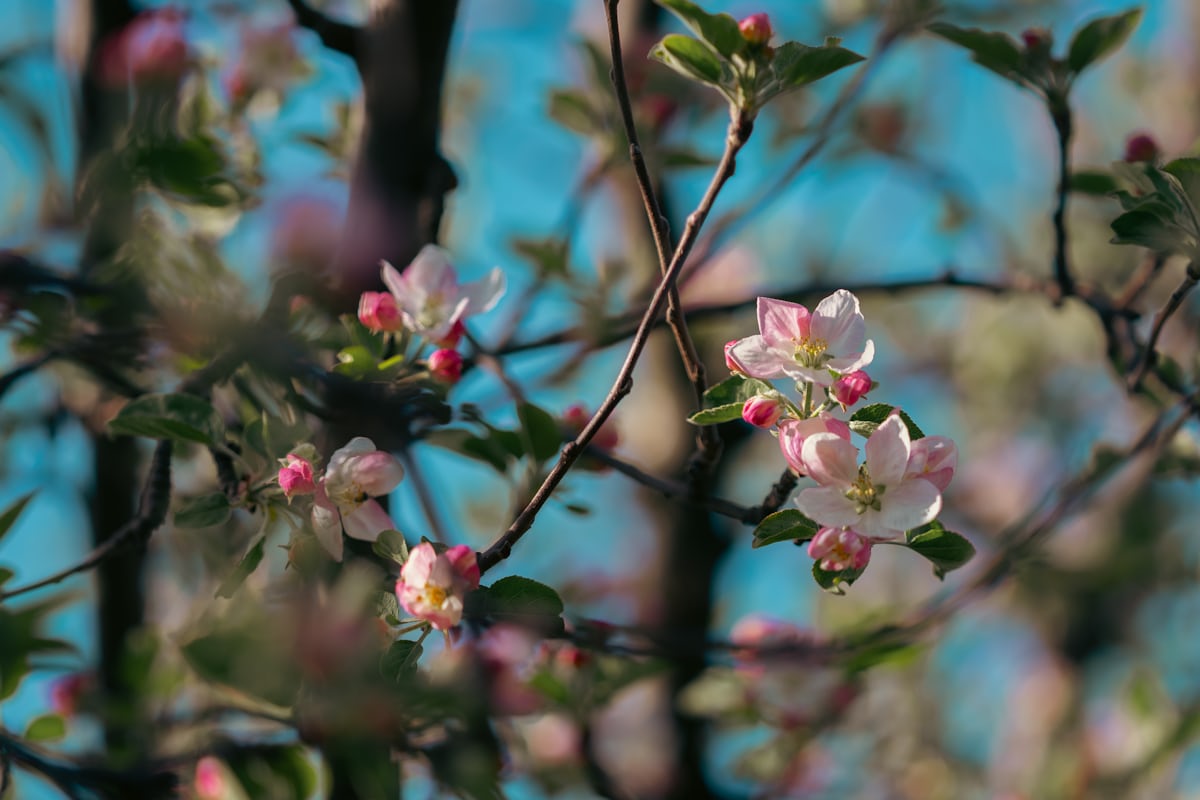
The "False Spring" Phenomenon
Perhaps the most alarming sign of climate disruption is the "False Spring." Across the valley, almond and peach trees have begun to bloom weeks ahead of schedule. This is a phenomenon known as a phenological mismatch.
Triggered by unseasonably warm daytime temperatures, the trees are "tricked" into believing spring has arrived. If a late cold snap occurs—which is common in March—these delicate blooms will freeze and fall, destroying the year's crop before it has even begun.
III. The Scientific Cause
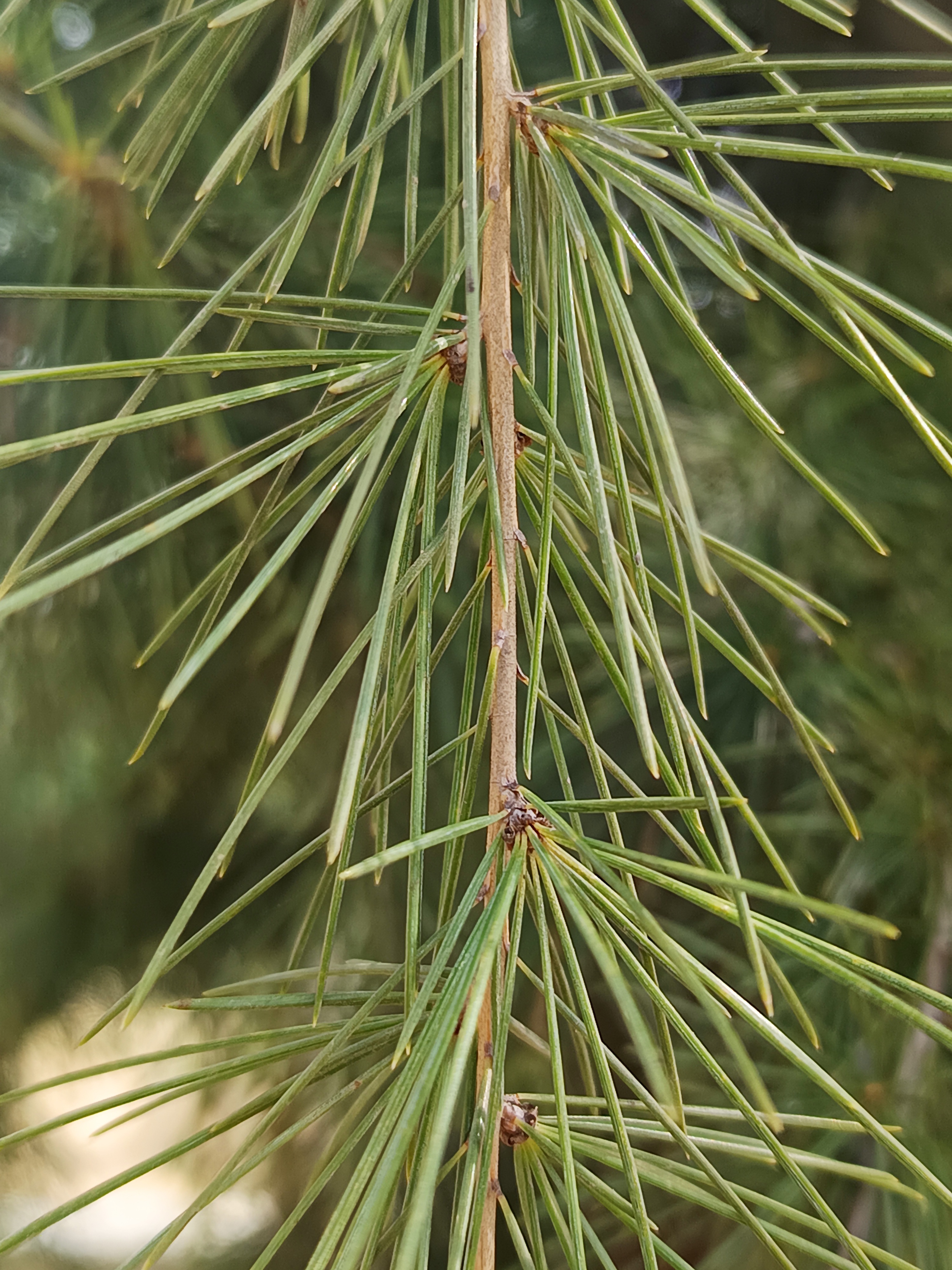
Why is Winter Shrinking?
The winter of 2026 is a textbook example of climate compounding. Three major factors are at play:
- El Nino's Shadow: The warming of the Pacific Ocean has disrupted global atmospheric circulation, pushing the jet stream northwards. This prevents the cold, moisture-laden "Western Disturbances" from the Mediterranean from striking the Himalayas.
- Weak Western Disturbances: Typically, Kashmir receives 5 to 6 strong storm systems in January. In 2026, the valley received none. The few systems that passed were dry, bringing clouds but no precipitation.
- The Albedo Feedback Loop: Without white snow to reflect sunlight, the exposed brown earth absorbs more heat, further warming the ground and preventing any new light snowfall from sticking.
IV. The Agricultural Crisis
Orchards at Risk
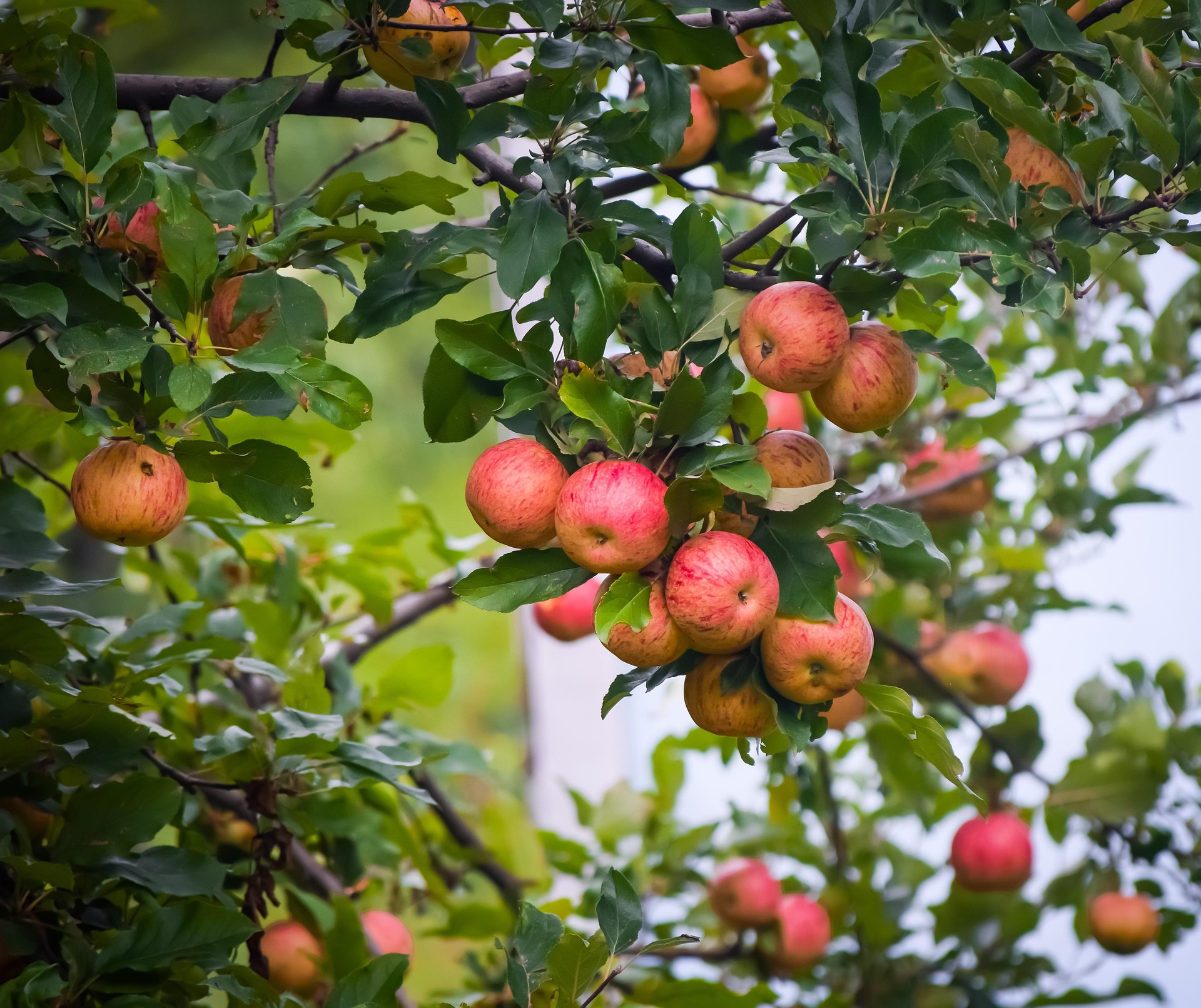
The apple economy, the backbone of Kashmir, relies on "chilling hours"—sustained periods of sub-zero temperatures—for trees to rest and reset. A warm, short winter deprives them of this dormancy. Combined with the water stress from a lack of snowmelt, farmers are bracing for smaller, lower-quality fruit and a significant economic hit.
A Warning from the Peaks
As the valley waits for a miracle spell of late snow, the "Brown Winter" of 2026 serves as a stark warning. The shorter winters and early blooms are not anomalies—they are the new normal of a warming planet.
cosmicsnap.co.in • CLIMATE WATCH 2026