
The World in February 2026: Conflicts, Technology Shifts, and Global Events

The World in February 2026: Conflicts, Technology Shifts, and Global Events Reshaping the Future
Introduction
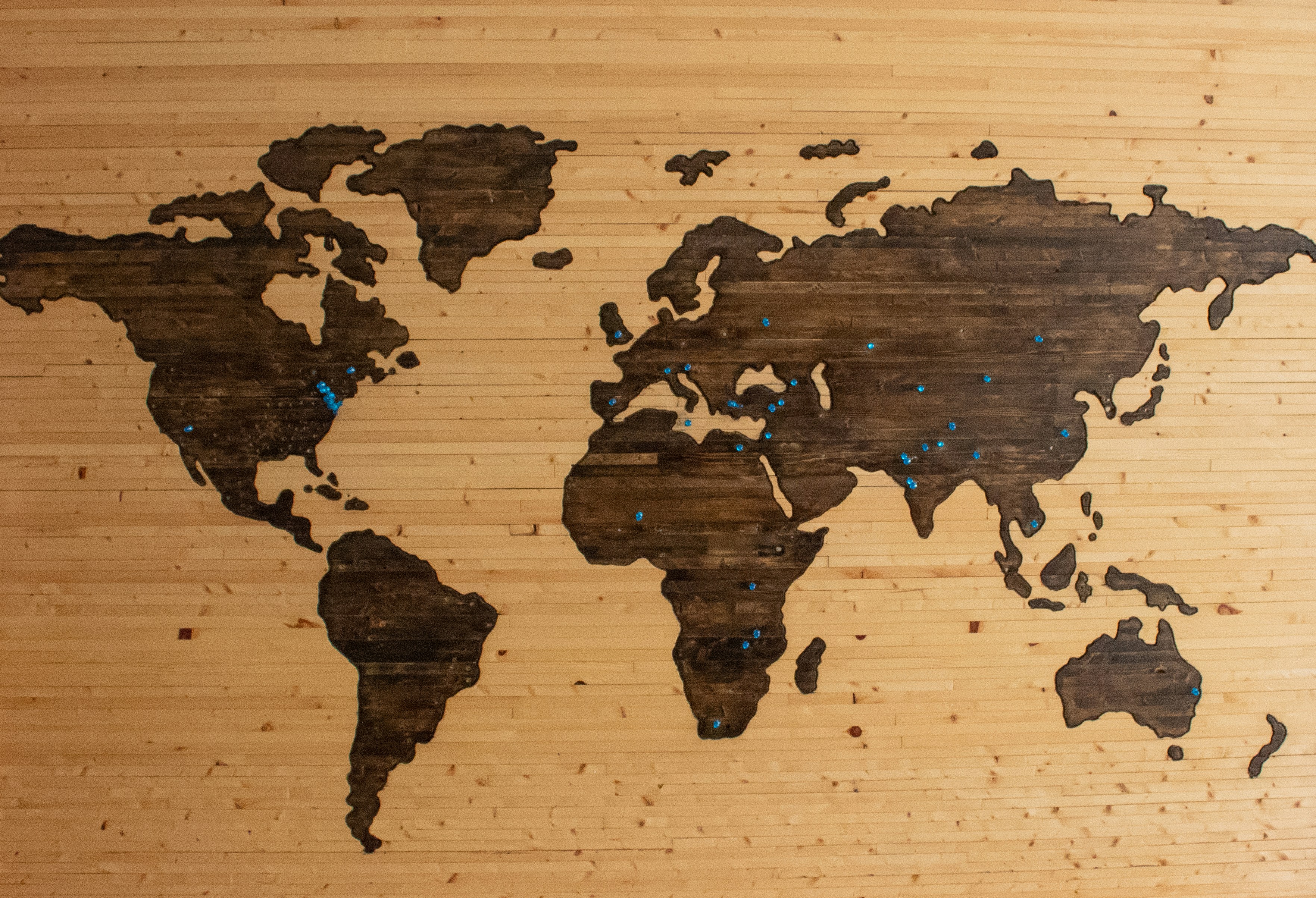
February 2026 has become a pivotal moment for global politics, technology, and international cooperation. From continuing geopolitical conflicts and emerging economic shifts to global sporting spectacles and upcoming security summits, several developments are influencing international stability and future policy decisions. These events reflect how the world is balancing competition, innovation, and cooperation in an increasingly uncertain global environment.
⚔️ Ongoing Conflicts Continue to Shape Global Stability
Russia–Ukraine War Intensifies
The war between Russia and Ukraine remains one of the most serious geopolitical crises. Recent analyses suggest Russia is paying a heavy cost for relatively limited territorial gains, with major military and economic consequences continuing to affect both nations.
Source: CSIS
The conflict has become a long-term security challenge for Europe and NATO. Military escalation and repeated attacks on infrastructure have disrupted civilian life, especially during winter conditions, raising humanitarian concerns and energy security risks across the region.
Beyond direct battlefield impacts, the conflict is influencing global defense strategies, economic sanctions, and international alliances. Many experts now view this war as a defining geopolitical struggle that could shape global power balance for decades.
Rising Middle East and Global Security Tensions
Global diplomatic relations are also strained by tensions between major powers. Negotiations between Iran and Western countries remain fragile, while regional conflicts and humanitarian crises continue to create instability.
Discussions around Gaza ceasefire progress and reopening border crossings highlight attempts to reduce humanitarian suffering, but long-term peace remains uncertain. At the same time, warnings from political leaders about potential large-scale regional conflicts demonstrate how fragile international security remains.
🤖 Artificial Intelligence and Technology Transforming the Global Economy
Artificial intelligence is rapidly reshaping job markets and economic sectors. Reports indicate that automation and AI adoption are beginning to disrupt the technology workforce, causing market volatility and raising concerns about job displacement and economic restructuring.
Source: ABC News
Companies worldwide are investing heavily in automation, machine learning, and digital transformation. While these innovations promise increased productivity and economic growth, they also present major social challenges, including workforce retraining and inequality concerns.
International cooperation around AI regulation is also expanding. Global summits and policy discussions aim to balance innovation with ethical guidelines, cybersecurity safeguards, and responsible deployment.
🌐 Global Trade and Industrial Partnerships Expanding
Economic globalization continues to evolve through new partnerships. A recently announced logistics collaboration involving suppliers to major global corporations highlights growing international trade integration, particularly between China and global supply chains.
Source: Stock TitanThese agreements aim to improve customs efficiency and freight transportation, showing how multinational cooperation is essential to modern manufacturing and global distribution networks.
Such developments illustrate how economic competition between major powers is increasingly driven by supply chain control, advanced manufacturing, and technological leadership.
🛡️ Global Leaders Prepare for Security Talks
One of the most anticipated diplomatic events is the Munich Security Conference 2026, scheduled from February 13 to 15 in Germany. The conference gathers global political, military, and diplomatic leaders to discuss major security threats and international cooperation strategies.
Source: WikipediaKey topics expected at the summit include:
- Cybersecurity and digital warfare
- Geopolitical conflicts and international peace strategies
- Technology threats such as AI-based warfare
- Global governance and democratic stability
The conference has historically served as a critical platform for shaping global defense and diplomatic policies.
❄️ The 2026 Winter Olympics Capturing Global Attention
While political and economic tensions dominate global headlines, the Milano Cortina 2026 Winter Olympics are bringing countries together through sports diplomacy. The games, running from February 6 to 22, include nearly 3,000 athletes from over 90 nations competing in 116 events across eight sports.
Source: Wikipedia
The Olympics serve not only as a sporting event but also as a symbol of international unity. They provide economic opportunities for host regions and promote cultural exchange, though debates continue regarding environmental and financial sustainability.
📈 Global Economic Outlook Remains Uncertain
Economic analysts warn that the global economy is entering a phase of transformation. Trade negotiations, supply chain restructuring, and emerging technologies are reshaping industries worldwide. Weekly economic assessments highlight uncertainty around inflation, workforce changes, and geopolitical tensions affecting financial markets.
Source: Deloitte
Many governments are focusing on critical minerals, semiconductor production, and energy security as key strategic priorities, reflecting growing competition for technological and industrial dominance.
🌏 Cultural and Regional Events Strengthening Global Identity
Alongside political and economic developments, cultural and community events continue to play an important role in global identity. Festivals and tourism initiatives across various regions highlight cultural preservation and economic growth through international tourism and public-private partnerships.
These events demonstrate how culture remains a powerful tool for diplomacy and social unity even during periods of global tension.
🔮 The Bigger Picture: A World at a Crossroads
February 2026 reflects a world navigating multiple transitions simultaneously. Nations are balancing military competition with diplomatic negotiations, technological innovation with social responsibility, and economic growth with sustainability challenges.
Key global trends emerging include:
- Increasing reliance on artificial intelligence and automation
- Rising geopolitical competition and defense modernization
- Expanding international trade partnerships
- Growing emphasis on cybersecurity and digital governance
- Continued importance of global cultural and sporting events
These trends suggest that the next decade will likely be shaped by how governments, corporations, and societies respond to these interconnected challenges.
Conclusion
The global landscape in early 2026 demonstrates both cooperation and conflict. While wars and geopolitical tensions remain serious concerns, international summits, technological progress, and cultural events highlight humanity’s continued efforts toward collaboration and progress.
As the year unfolds, these developments will likely influence global leadership decisions, economic policies, and technological advancements, shaping the future of international relations and global stability.